Get Gambling Help: Global Support for Gambling Problems
May 22, 2026
Player Safety Guide
Support Is Available Wherever You Live
Gambling problems can affect money, mental health, work, relationships and everyday life. You do not need to wait until everything feels out of control before asking for help. Whether you want to stop gambling, reduce access to gambling sites, talk anonymously, join a support meeting or help someone close to you, support is available.
Key Takeaways
- Gambling harm can affect anyone, and asking for help early can prevent financial and emotional harm from becoming worse.
- You do not need to prove that you have an addiction before contacting a gambling support service.
- Gambling Therapy offers free global online support for people affected by gambling, including family and friends.
- Blocking software such as BetBlocker can reduce access to gambling websites and apps, but it works best alongside human support.
- Gamblers Anonymous offers peer support meetings, including virtual and telephone options.
- Family members and friends can also get support through Gambling Therapy and Gam-Anon.
- If gambling-related distress creates a mental health crisis, contact emergency services or a crisis support organisation immediately.
When Should You Get Help for Gambling?
You may be looking for help because you have lost money, broken a promise to stop, hidden gambling from someone close to you, borrowed money to gamble, or started to feel anxious about your next bet. You may also be reading this because you are worried about a partner, friend or family member.
There is no minimum loss amount and no single test you must pass before seeking support. Gambling becomes harmful when it starts affecting your wellbeing, finances, relationships, work, studies or ability to make choices freely.
Some people seek help after a major loss. Others seek help because they recognize a pattern developing. Both are valid reasons to speak to someone.
Signs Gambling May Be Causing Harm
Money and Debt
- Spending more than you planned
- Trying to win back losses
- Borrowing money or using credit to gamble
- Missing bills, rent or other essential payments
- Selling possessions or hiding financial problems
Thoughts and Behaviour
- Thinking about gambling for long periods
- Feeling unable to stop once you begin
- Gambling when stressed, lonely, angry or upset
- Lying about how much time or money you have spent
- Creating new accounts after trying to stop
Relationships and Daily Life
- Arguments about money or secrecy
- Withdrawing from family or friends
- Poor concentration at work or school
- Losing sleep because of gambling or debt
- Neglecting responsibilities or activities you used to enjoy
Emotional Warning Signs
- Feeling ashamed, panicked or trapped
- Gambling to escape difficult emotions
- Feeling desperate after losses
- Believing one more win will solve everything
- Experiencing thoughts of self-harm or suicide
Financial losses may be the most visible harm, but gambling can also lead to anxiety, secrecy, broken trust, isolation, sleep problems and severe emotional distress. Getting help is not a failure. It is a practical step towards protecting yourself and the people around you.
What to Do If You Need Gambling Help Today
You do not have to solve everything at once. Start with actions that reduce immediate risk and connect you with support.
- Stop access to gambling money
Move money needed for rent, food, bills and essential costs away from gambling access. Consider temporarily asking a trusted person to help manage essential payments if that feels safe and appropriate.
- Block gambling sites and apps
Install gambling blocking software on the devices you use. Blocking access does not solve the underlying problem, but it can create space between an urge and an action.
- Use self-exclusion where available
Check whether gambling operators or your country’s regulator offer self-exclusion. National schemes vary by location, and offshore casinos may not participate in local systems.
- Contact a support service
Speaking to a trained adviser or peer support group can help you plan what happens next. You can ask for help even if you have not completely stopped gambling yet.
- Tell one trusted person
Keeping gambling harm secret can make it harder to stop. Consider telling someone you trust that you are trying to reduce or stop gambling and need support.
- Deal with urgent financial risk
If gambling has affected rent, bills, debt or access to food, contact a local debt advice or financial counselling service. Avoid taking new loans or trying to gamble your way out of debt.
- Seek urgent mental health support if needed
If you feel unable to stay safe or are thinking about suicide or self-harm, contact emergency services or a crisis helpline immediately.

Global Gambling Help Resources
Support options differ by country, but the resources below are available internationally or help people find appropriate support where they live. Casino.help is not a counseling or treatment service. We provide information and links to independent support organizations.
Global Gambling Support Resources
These independent organizations can help people affected by gambling or direct them to further support.
Find A HelplineFind A Helpline connects people with verified helplines in more than 175 countries. It can help users locate support for emotional distress, suicide, self-harm, debt-related crisis and gambling-related concerns where services are listed.Find local crisis support →Befrienders WorldwideBefrienders Worldwide is an international network of emotional support centres for people experiencing distress or suicidal thoughts, and for those close to them. It can help users identify support available in their region.Visit Befrienders →Blocking Gambling Access and Self-Exclusion
When the urge to gamble is strong, access matters. Removing gambling apps, closing accounts and blocking gambling websites can make it harder to act impulsively.
Blocking tools are especially useful during moments when you feel likely to deposit or gamble again. BetBlocker offers free blocking support internationally and can be installed across multiple devices.
Self-exclusion is different from blocking software. Self-exclusion asks a gambling operator, or sometimes a national system, to prevent you from gambling for a chosen period. The exact options depend on where you live and whether the casino is licensed locally.
A blocking tool or self-exclusion scheme should not be treated as a substitute for emotional, financial or clinical support. If gambling has become difficult to control, combine barriers with human support.
Reduce Access to Gambling Today
Practical barriers can make a difficult moment safer.
- Uninstall gambling apps from your phone and tablet
- Log out of gambling accounts and remove saved passwords
- Remove stored cards or payment methods from casino accounts
- Install blocking software on every device you use
- Request self-exclusion from gambling operators you use
- Ask your bank whether gambling payment blocks are available
- Avoid promotional emails, texts and social media gambling content
- Tell a trusted person what steps you have taken
Getting Help for Debt and Financial Harm
Gambling debt can create panic and pressure to keep gambling. Trying to win back losses often increases the harm.
If gambling has affected your ability to pay bills or meet essential costs, focus first on safety and stability:
- Pay for food, housing, utilities and essential transport before unsecured debt.
- Do not take out new loans to gamble.
- Do not deposit again in an attempt to recover previous losses.
- Contact a legitimate debt advice or financial counselling service in your country.
- Consider asking a trusted person to help review immediate payments and account access.
A gambling support adviser may also be able to help you identify local financial support services.
Do not gamble to escape gambling debtThere is no reliable bet, bonus or casino game that can solve gambling losses. Trying to recover debt through more gambling can increase financial harm and emotional distress. Stop depositing and contact support instead.
Help for Family Members and Friends
Gambling harm often affects more than the person gambling. Partners, parents, children, friends and colleagues may experience secrecy, unpaid bills, fear, anger, broken trust or pressure to provide money.
You cannot force another person to stop gambling, but you can protect your own well being and finances.
If someone close to you is gambling harmfully:
- Do not lend money for gambling or to cover unexplained losses without professional advice.
- Protect shared accounts, essential bill payments and important documents.
- Speak calmly about what you have noticed rather than trying to prove every detail.
- Encourage the person to contact support.
- Get support for yourself, even if the person gambling refuses help.
Gambling Therapy offers services for friends and family internationally. Gam-Anon also provides meetings for people affected by someone else’s gambling, including virtual and international meeting options.
What If You Stop and Then Gamble Again?
A return to gambling does not mean help has failed or that recovery is impossible. Many people need more than one attempt to change gambling behavior.
After gambling again, try to act quickly:
- Stop further deposits.
- Reapply blocking or self-exclusion barriers if needed.
- Tell your adviser, support group or trusted person what happened.
- Identify what triggered the gambling episode.
- Seek additional professional support if your current plan is not enough.
The important step is not hiding what happened. A setback can be used to strengthen your support plan.
How Casino.help Approaches Gambling Safety
Our Player Safety Approach
Casino.help publishes casino information, reviews and bonus explanations, but gambling always involves financial risk. Our player safety content is designed to help readers understand risk, recognise unsafe practices and find independent support when gambling stops feeling controlled.
- We link to independent gambling support organizations, not only casino operators.
- We explain bonus terms, licensing and withdrawal risks before players deposit.
- We do not present gambling as a way to make money or recover losses.
- We encourage readers to seek help when gambling causes financial or emotional harm.
- Pages focused on gambling help should not contain casino promotions or bonus calls to action.
Player Safety CenterLearn how to understand bonus terms, verify casino licenses, identify scam casinos and recognize withdrawal warning signs before depositing.
Browse safety guides →You Do Not Need to Face Gambling Harm Alone
Gambling problems can feel isolating, especially when money has been lost or trust has been damaged. But support is available, and you do not need to wait for the situation to become worse before reaching out.
Start with one practical step today: block access to gambling, speak to someone you trust, join a support meeting or contact Gambling Therapy for confidential global support.
If you are in immediate danger or feel unable to keep yourself safe, contact local emergency services or a crisis support organization now.
Gambling Help FAQ
What is the best global gambling help service?
Gambling Therapy is a strong first option for people outside a specific national support system. It provides free online support worldwide for people affected by gambling, including friends and family, with support available in many languages.
Can I get gambling help anonymously?
Yes. Gambling Therapy states that users can remain anonymous if they wish. Peer support meetings may also allow people to begin by listening and learning about available support.
Is gambling blocking software free?
BetBlocker offers free gambling-blocking software designed to help people reduce access to gambling websites and apps. It is available internationally and can be installed on multiple devices.
Does blocking gambling websites stop a gambling problem?
Blocking software can reduce immediate access to gambling, but it is not a complete treatment plan. It is usually more effective when combined with support from an adviser, peer group, counsellor or trusted person.
Can family members get help for someone else’s gambling?
Yes. Gambling Therapy provides support for people affected by another person’s gambling. Gam-Anon also offers support meetings for family members and friends.
What should I do if gambling has caused debt?
Stop gambling and avoid trying to recover losses through further betting. Prioritise essential costs such as housing, food and utilities, then contact a gambling support service and a legitimate debt advice or financial counselling service in your country.
What should I do if gambling losses make me feel suicidal?
Seek urgent support immediately. Contact your local emergency services or use an international crisis-support directory such as Find A Helpline or Befrienders Worldwide to locate help where you live.
Should a gambling help page link to casino offers?
No. A page intended for people experiencing gambling harm should prioritise independent support, practical barriers and safety guidance rather than encouraging further gambling.
-
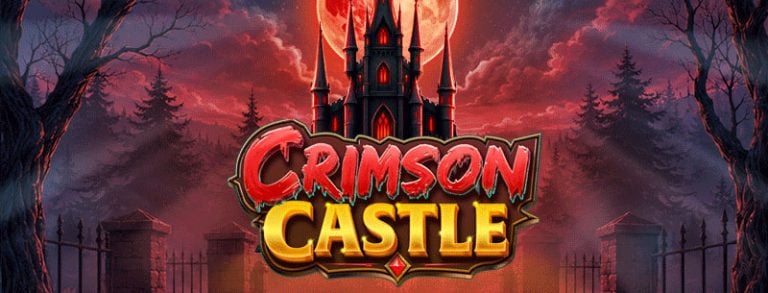
Crimson Castle: A Gothic Slot with Hold & Spin and Collecting Moon Symbols
A blood-red moon hangs over a castle filled with cursed treasures in Crimson Castle, a new 5-reel, 3-row slot with a dark…
Read Complete Article -

Treasure Sparks – Zháo Cái Yán Huó: Features, Bonuses and Free Demo
Fireworks, golden coins and three different Hold & Spin features take centre stage in Treasure Sparks – Zháo Cái Yán Huó. This…
Read Complete Article -
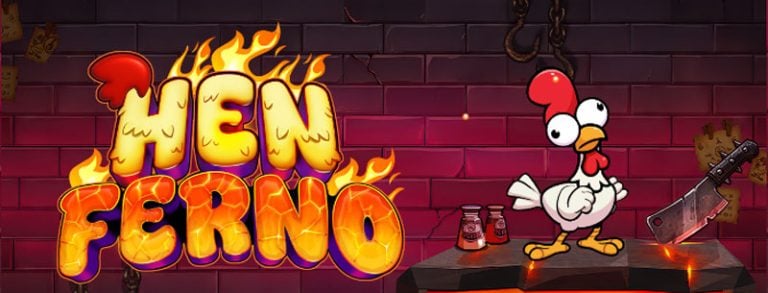
New Game: Henferno with Demo And Bonuses!
A fearless chicken, a path surrounded by fire and one increasingly difficult decision: cash out or keep going? Henferno is a fast-paced…
Read Complete Article -

New Game: Fú Lóng Treasures with Bonuses
Powerful dragons, blazing flames and glittering treasures await in Fú Lóng Treasures, a new 5-reel, 3-row video slot set in a world…
Read Complete Article -

New Slot: Winnie the Piggie Las Vegas with Bonuses
Looking for a new slot with classic casino vibes, quick action, and bonus-packed gameplay? Winnie the Piggie Las Vegas brings the lights,…
Read Complete Article -

New Slot: Triple Tigers with Bonuses!
Triple Tigers has arrived, bringing explosive Wilds, cascading wins and the fierce power of the tiger to every spin. Play Triple Tigers…
Read Complete Article